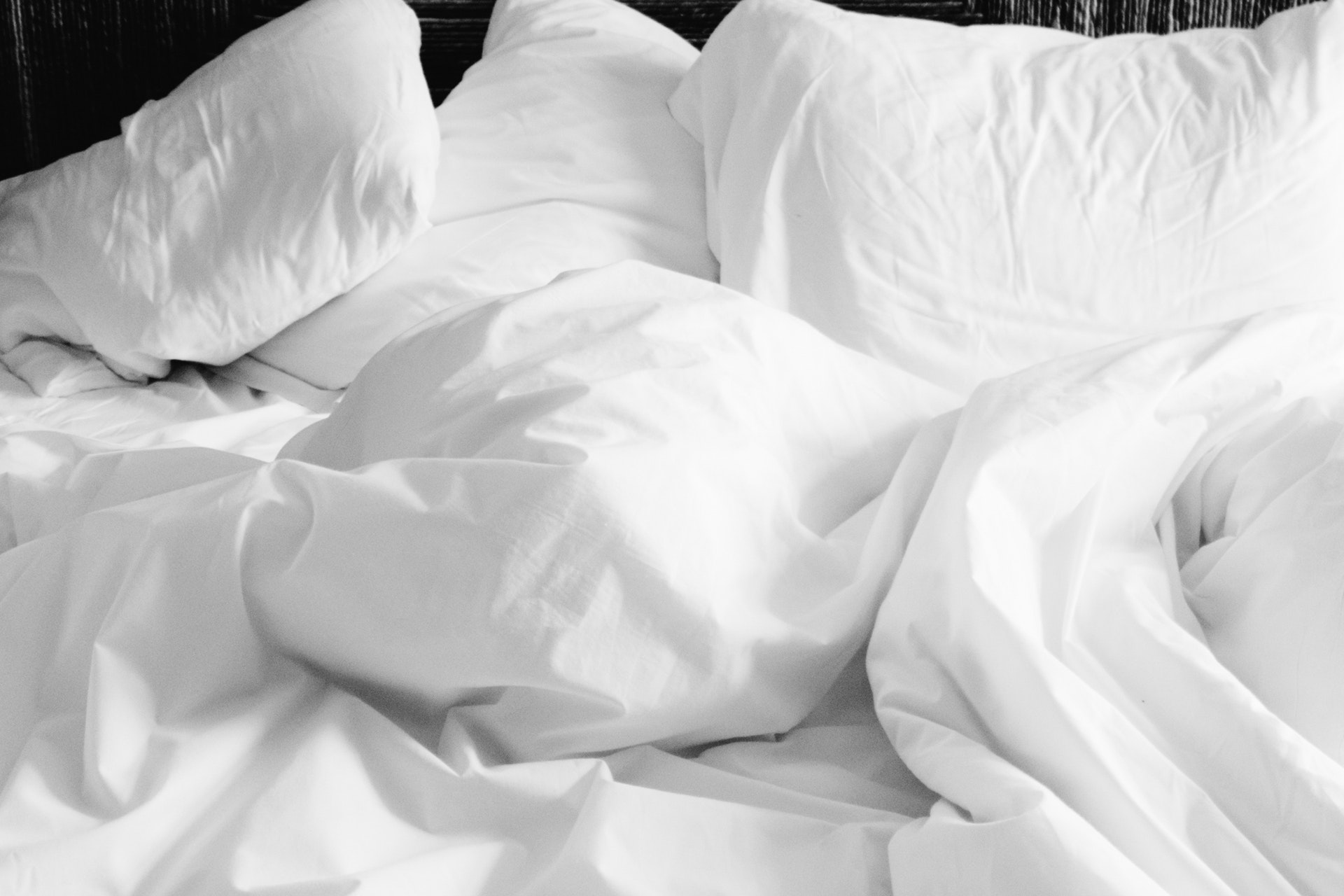
Good sheets make a bed easier to use every night, but they do not need a four-digit thread count or a vague “hotel luxury” label to do it. The important decisions are simpler: percale or sateen, cotton or linen, a fitted sheet that actually fits the mattress, and a care routine that does not turn the fabric rough or prematurely worn. The best set depends on whether you like a crisp feel, a smooth drape, a relaxed textured look, or the easiest possible everyday maintenance.
Start with the feel you want, not the brand. Percale is a plain weave with a crisp, matte hand and a lighter, more structured feel. Sateen uses a different weave that exposes more yarn at the surface, so it feels smoother and often has a slight sheen. Linen is more textured and relaxed; it can feel airy and becomes softer with wear, but it wrinkles and is not for someone who wants a perfectly pressed bed. None of these is universally better. They solve different comfort and style preferences.
We compared current sheet sets by fiber, weave, fitted-sheet depth, included pieces, construction details, care, and the kind of sleeper each suits. We chose a crisp Pima cotton percale, a smooth long-staple cotton sateen, and a relaxed European flax linen option. Prices, colors, and availability change often, so confirm the live Amazon listing, size, and fitted-sheet depth before ordering.
Our picks at a glance
Best crisp cotton sheets for most beds: L.L.Bean 280-Thread-Count Pima Cotton Percale Sheet Set
Check the L.L.Bean Pima Cotton Percale Sheet Set on Amazon
The L.L.Bean 280-Thread-Count Pima Cotton Percale Sheet Set is the best choice for people who want classic, crisp cotton sheets that feel structured rather than slick. It is woven from 100% long-staple Pima cotton in a percale weave and comes with a flat sheet, fitted sheet, and pillowcases; twin sets include one pillowcase. The fitted sheet has a 15-inch pocket depth across standard sizes, which covers many mattresses without creating a loose, over-deep fit.
Percale is a strong everyday choice because it feels clean, matte, and breathable without relying on a high thread-count claim. These sheets will not have the draped, almost buttery feel of sateen. That is the point. If you like the sensation of a fresh cotton button-down or a neatly made guest bed, percale is more likely to suit you. It may feel a little firmer out of the package than a brushed or sateen sheet, then relaxes with washing and normal use.
Measure your mattress before buying. Fifteen inches of pocket depth leaves little room for an especially tall mattress plus a thick topper, but it is a sensible fit for many standard beds. If your mattress is much deeper, look for a sheet designed around that measurement rather than stretching elastic corners until they pop off. Choose this set when you want reliable long-staple cotton, a simple percale feel, and a conventional sheet set that can go directly into the washer and dryer.
Best smooth cotton sheets: Brooklinen Luxe Sateen Core Sheet Set
Check the Brooklinen Luxe Sateen Core Sheet Set on Amazon
The Brooklinen Luxe Sateen Core Sheet Set is the better pick for someone who wants cotton that feels smooth and drapes closely over the bed. It uses 100% long-staple cotton in a 480-thread-count sateen weave. Brooklinen’s construction puts more yarn surface on the face of the fabric, creating the characteristic soft hand and subtle sheen of sateen. The core set includes a flat sheet, fitted sheet, and two pillowcases, and the pillowcases have envelope closures to help keep pillows contained.
The small design details are useful in real life. Brooklinen labels the long and short sides of the fitted sheet, which reduces the nightly wrestling match with a rectangular sheet on a deep mattress. The sateen fabric is easier to recommend to people who find crisp percale scratchy or too structured. It feels polished from the start and works well in a bedroom where you want the bedding to look smooth and slightly luminous rather than casually rumpled.
The trade-off is warmth and surface feel. Sateen is more closely woven than percale, so it can feel less airy to a person who already prefers a very crisp, lightweight sheet. It is also not a reason to ignore fit or care. A smooth sheet can still pill or wear if it is washed with abrasive items, overloaded in a machine, or pulled tight over a mattress that exceeds its pocket depth. Choose Brooklinen Luxe Sateen if soft, smooth cotton is your priority and the extra drape is more appealing than a cool, papery percale feel.
Best relaxed linen sheets: Quince European Linen Sheet Set
Check the Quince European Linen Sheet Set on Amazon
The Quince European Linen Sheet Set is the right choice for a relaxed bed with a textured, lived-in look. It is made from 100% European flax and comes pre-washed. The set includes a fitted sheet, flat sheet, and pillowcases, with one pillowcase in a twin size and two in larger standard sets. Quince lists the fitted sheet for mattresses up to 16 inches deep with elastic all the way around, which is useful for many newer mattresses and moderate toppers.
Linen is not “cotton, but nicer.” It feels different. The weave has visible texture, wrinkles naturally, and may feel less smooth or even than sateen. That is why people who love linen tend to choose it deliberately: it has an easy, casual drape and becomes more supple over time. People who want a tightly made bed with no wrinkles will be happier with percale or sateen. Do not buy linen hoping it will behave like hotel cotton.
The Quince set is a good middle ground for a buyer who wants real flax linen without an ultra-luxury price category. Its 16-inch fitted-sheet depth is more forgiving than the L.L.Bean set for a tall mattress, but measure anyway. Linen needs gentler treatment than many people give sheets: cold or cool water, a low dryer setting or line drying, prompt removal, and no expectation of a pressed appearance. Choose it when texture, softness over time, and an informal look matter more than a perfectly smooth surface.
Percale, sateen, and linen: the differences you can feel
Percale is a simple one-over, one-under weave. It tends to feel crisp, matte, and light, with a little more structure than sateen. It is a good choice for people who make their bed tightly, prefer a fresh-sheet feeling, or live in a warmer room. It can wrinkle and may feel less immediately soft than sateen, especially before a few washes.
Sateen uses a weave that floats more yarn over the surface. That creates a smoother hand, more drape, and a subtle sheen. Sateen is often the better choice for someone who wants a soft, polished feel or dislikes the crispness of percale. It can feel a little warmer and may show body oils or snags differently because of the surface construction. It is not inferior to percale; it is simply a different experience.
Linen comes from flax. It has a more textured hand, a naturally relaxed look, and a tendency to wrinkle. It is a good fit for people who like an un-fussy bed and are comfortable with variation in the fabric. Linen can be lovely in a warm room, but “breathable” does not mean it is weightless or that every linen set feels the same. The weave, laundering, and weight vary by brand.
Cotton blends, bamboo-derived rayon, and synthetics can also work, but do not assume a fiber label tells the whole story. Pay attention to the exact fabric content, weave, care label, and feel you want. A sheet that calls itself “bamboo” is commonly made from rayon or viscose derived from bamboo, not woven bamboo stalks. That does not make it automatically bad; it means the label requires more than a glance.
Thread count: useful detail, bad shortcut
Thread count describes the number of threads woven into a square inch of fabric. It can be part of a sheet’s specification, but it is not a universal quality score. Fiber length, yarn quality, weave, finishing, and construction all matter. A well-made 280-thread-count percale can feel far better for a crisp-sheet fan than a much higher-count sheet designed to feel dense or slick.
Use thread count as a descriptive number only after you know the fiber and weave. Around 200 to 400 is common for cotton sheets, though different construction methods make direct comparison imperfect. Be skeptical of extremely large claims that do not explain the yarn or weave. A label with a gigantic number tells you less than a transparent description of cotton type, weave, fitted-sheet dimensions, and care instructions.
The better test is the one you can make at home: does the fitted sheet stay on the bed, does the fabric feel right after several washes, do the pillowcases hold the pillows securely, and does the set match the room’s temperature and your preference? Those are the questions a thread count cannot answer.
Measure your mattress before buying sheets
Measure the height of the mattress from the bottom edge to the top surface, then add the height of any topper or pad that stays on the bed. Compare that number with the fitted sheet’s stated pocket depth. A 15-inch pocket may fit a 12-inch mattress comfortably; it may be tight on a 15-inch mattress with a thick protector. A 16-inch or 18-inch pocket is not automatically better if your mattress is thin, because excess fabric can bunch at the corners.
Also confirm the mattress length. A standard queen is 60 by 80 inches, a king is 76 by 80 inches, and a California king is 72 by 84 inches. They are not interchangeable. Split king beds require two Twin XL fitted sheets, not one king fitted sheet. Pillow size matters as well: standard and king pillowcases are different lengths, and a “set” may include different numbers of cases by bed size.
Do not assume all labels use “deep pocket” the same way. Look for the actual measurement and read whether the stated depth includes elastic, maximum stretch, or a recommended mattress height. If the retailer shows a size chart, compare it to your own bed rather than choosing the set based on its title alone.
What a sheet set includes—and what it does not
A basic sheet set usually includes one fitted sheet, one flat sheet, and one or two pillowcases. Twin sets commonly include only one pillowcase. A duvet cover, comforter, blanket, quilt, mattress protector, and extra pillowcases are almost always separate purchases. Read the “what’s included” section before assuming a photograph of a fully styled bed represents the contents of the box.
Some people do not use a flat sheet. That is a personal preference, but it changes what you should buy. If you sleep directly under a duvet cover and prefer fewer layers, a fitted-sheet set without a flat sheet can save money and laundry. If you use a top sheet, make sure it is wide enough to tuck on your mattress. A flat sheet that barely covers a tall queen bed becomes frustrating every time the bed is made.
Consider owning two complete sets for the bed you use most. One set can be on the mattress while the other is being washed, dried, or aired out. That is more practical than buying one expensive set and delaying laundry because you need the bed that night. A third fitted sheet or extra pillowcase pair is useful for accidents, travel, and households with pets.
Care that helps sheets last
Wash new sheets before using them. This removes finishing residues and lets you see how the fabric feels after its first wash. Wash sheets separately from jeans, towels, items with zippers, and heavy fleece. Those items create abrasion and lint that shorten the life of lighter bedding. Close pillowcase closures, turn patterned or printed items inside out when the care label suggests it, and avoid overloading the washer.
Use the water temperature and detergent amount recommended by the sheet label. More detergent does not make sheets cleaner; it can leave residue that changes the feel. Avoid chlorine bleach unless the maker explicitly permits it. Fabric softener can make some sheets feel temporarily slick but may leave buildup over time, so skip it if the sheets feel less absorbent or less breathable after repeated use.
Dry on low heat or line dry when practical, then remove sheets promptly to reduce wrinkles and unnecessary heat exposure. Linen benefits from a gentle cycle and low heat, and its natural wrinkles are part of the material. Cotton percale can be smoothed while damp if you prefer a neater bed. Sateen should be handled gently to preserve its smooth surface. Read the exact label because finishes and fiber blends can change the best approach.
Temperature, texture, and sleep preferences
Sheets cannot control room temperature, mattress warmth, duvet insulation, pajamas, or airflow. They can influence the way the bed feels against the skin. Percale is often the simplest place to start if you want a crisp, less draped surface. Sateen is a better choice if you want smoothness and a little more body. Linen is right for someone who enjoys texture and a relaxed look.
If you tend to feel warm at night, do not assume the thinnest or highest-thread-count sheet will fix it. Look first at the fiber and weave, then consider the duvet or comforter, mattress protector, and room. If you feel cold, a sateen sheet can feel more enveloping, but an appropriate blanket often makes more difference than changing the sheet weave alone. Build the bed as a system rather than asking one layer to solve every temperature preference.
Color affects the practical experience too. White and pale sheets make stains and fading visible but are easy to coordinate. Dark sheets can show lint or pet hair. Patterns hide small marks and can be a good choice for a guest room. Buy the color you will be happy to wash and see every day, not the color that looks best in a perfectly lit product photo.
How to avoid common sheet-buying mistakes
- Buying by thread count alone. Start with fiber, weave, pocket depth, and the feel you want.
- Guessing the mattress height. Measure the mattress and any topper before ordering a fitted sheet.
- Choosing linen when you dislike wrinkles. Linen is meant to look relaxed; choose percale or sateen for a smoother look.
- Using sheets as a temperature fix. Consider the whole sleep setup, including bedding layers and room conditions.
- Assuming the set includes a duvet cover. Read the included-pieces list for the exact size.
- Washing sheets with abrasive laundry. Keep towels, denim, zippers, and rough items separate.
- Buying only one set. Two complete sets make laundry day simpler and extend the life of each one.
How we chose
We selected three distinct sheet experiences rather than pretending one fabric is right for every bed. The L.L.Bean set is a 100% long-staple Pima cotton percale with a 15-inch fitted-sheet pocket. Brooklinen Luxe Sateen is a 480-thread-count long-staple cotton sateen for a smoother, more draped feel. Quince European Linen is a pre-washed 100% flax option with a fitted sheet listed up to 16 inches deep. We compared current maker information for fiber, weave, dimensions, included pieces, and care.
We did not score sheets by inflated thread-count claims or claim that a fabric guarantees better sleep. The right choice comes down to fit, texture, laundry routine, and the way the bed is used. For one more practical layer in a travel or shared-light setting, see our sleep masks guide.
Frequently asked questions
What sheets are best for people who like crisp hotel-style bedding?
Start with a cotton percale set. Percale has a crisp, matte, structured feel that is closer to the sensation many people associate with a freshly made hotel bed. The L.L.Bean Pima Cotton Percale set is our pick in that category.
Are sateen sheets hotter than percale?
Sateen usually feels smoother and more closely woven than percale, so it can feel warmer or more enveloping to some people. Preference varies. If you want a very crisp, airy-feeling cotton sheet, percale is usually the safer choice.
Are linen sheets worth the price?
They are worth it if you genuinely like textured fabric, relaxed wrinkles, and a softer-with-use feel. They are not worth it if you want a perfectly smooth, pressed bed or prefer the silky feel of sateen. Buy linen for the material’s character, not because it is fashionable.
How deep should fitted sheets be?
Choose a pocket depth that exceeds your measured mattress and topper height by a reasonable margin. A 15-inch pocket suits many standard mattresses; a 16-inch or deeper pocket may be needed for a tall mattress or thick topper. Check the brand’s actual size chart.
How often should I wash bed sheets?
Wash them regularly based on personal use, sweat, pets, illness, and the care label. Many households wash sheets about once a week, but the practical goal is keeping the bed clean while using a laundry routine the fabric can handle. Keep a second set so you do not have to rush the wash cycle.
Our approach: We explain the trade-offs behind every recommendation. If you buy through an Amazon link, SuperGrail may earn a commission—our research remains independent.