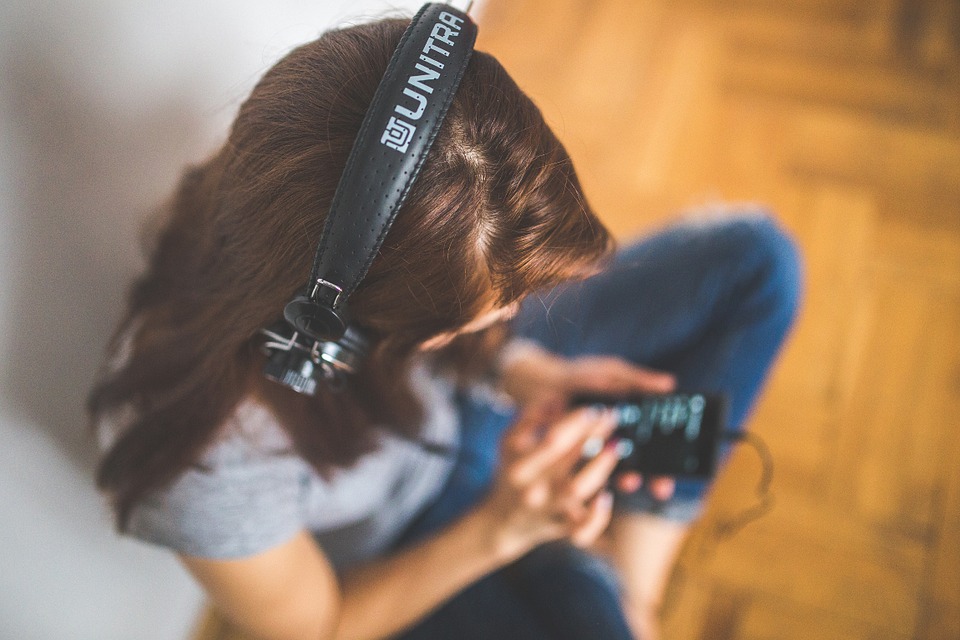
Wireless headphones are easiest to buy when you start with the way you listen, not a list of Bluetooth buzzwords. Over-ear headphones are still the comfortable choice for long flights, focused work, and people who dislike earbuds in their ear canals. Sealed earbuds are pocketable and can block a good deal of outside sound, but their fit is personal. Open-ear models leave the ear canal clear, which can be helpful for outdoor activity, but they give up isolation and deep bass. None of those designs is “best” for every day.
We compared current manufacturer specifications for fit, noise control, battery claims, durability rating, charging, microphone design, and device compatibility. The three picks below solve distinct problems: quiet travel and work, a compact option for people already using Apple devices, and open-ear listening for workouts. Prices and firmware change, so check the exact Amazon model, operating-system requirements, and return policy before ordering.
Our picks at a glance
Best over-ear headphones for travel and focus: Sony WH-1000XM6
Check the Sony WH-1000XM6 on Amazon
The Sony WH-1000XM6 is the right kind of premium over-ear headphone for someone who wants quiet, comfort, and practical flexibility in one package. Sony specifies a closed over-ear design, adaptive noise cancellation, ambient-sound mode, multipoint connection, a detachable 3.94-foot audio cable, and up to 30 hours of music playback with noise canceling enabled. It weighs about 8.96 ounces and supports SBC, AAC, LDAC, and LC3 over Bluetooth 5.3. A carrying case, cable, and USB charging cable are included.
Choose the Sony if you spend time on planes, trains, shared offices, or at home with steady low-frequency noise. Noise canceling is most valuable when it reduces the fatigue of an environment; it does not make every sudden voice vanish or turn a coffee shop into a silent studio. The ambient mode is useful when you need awareness without taking the headphones off. Multipoint is a meaningful everyday feature for someone switching between a laptop and phone, but compatibility can still vary by device and app.
The trade-off is size. Over-ear headphones occupy bag space, warm up your ears, and are not the most secure option for sweat-heavy workouts. Their advantage is that they do not depend on a perfect ear-tip seal and can be used with a cable if the battery is empty or an airplane system needs a wired connection. For travel and long-form listening, those conveniences are more valuable than shaving a few grams.
Best compact choice for Apple users: AirPods Pro 3
Check the AirPods Pro 3 on Amazon
AirPods Pro 3 are the compact pick for people who primarily use an iPhone, iPad, Mac, or Apple Watch and value a small case, quick switching inside that ecosystem, and a sealed earbud design. Apple lists active noise cancellation, Adaptive Audio, Transparency mode, touch controls, five silicone tip sizes, Bluetooth 5.3, and IP57 dust, sweat, and water resistance for both the earbuds and charging case. Apple rates the earbuds for up to eight hours of listening with active noise cancellation and the case for up to 24 hours of listening with noise cancellation enabled.
The reason to choose these is integration, not brand loyalty. Apple features such as personalized spatial audio, some conversation functions, and seamless device behavior depend on compatible hardware, current software, and region. They still operate as Bluetooth headphones with non-Apple gear, but Apple explicitly notes that functionality may be limited. If you mainly use Android, Windows, or a mix of platforms, a general-purpose earbud with equally transparent controls may be a better fit.
Fit decides whether the AirPods are a success. The included tips help, but no earbud is universally comfortable. A proper seal improves bass and noise cancellation, while a loose tip makes a product sound thinner and less stable on a walk. The IP57 rating supports sweat and exposure to water in normal non-water-sport use; it does not make the earbuds a swimming accessory or a reason to charge them while wet. Clean the tips and charging contacts regularly, especially if you rely on the microphones and noise-control modes.
Best open-ear option for running and awareness: Shokz OpenRun Pro 2
Check the Shokz OpenRun Pro 2 on Amazon
The Shokz OpenRun Pro 2 is for a runner, walker, or commuter who wants to keep their ear canals open rather than seal them with a bud. Its wraparound design rests in front of the ears and uses bone-conduction and air-conduction components, so music and calls remain available while outside sound is easier to notice. Shokz lists Bluetooth 5.3, IP55 resistance, up to 12 hours of listening, a roughly 10-meter wireless range, and a quick charge that can provide about 2.5 hours of playback from five minutes of charging.
This is not the pick for maximum bass, the best airplane noise reduction, or private listening in a loud office. Open-ear sound is intentionally a different compromise: it prioritizes situational awareness and a secure, lightweight feel. That can be useful on a shared trail or urban walk, but it is not a substitute for paying attention to traffic or local rules. In a noisy gym, airplane, or train, a sealed earbud or over-ear headphone will generally be more satisfying because it reduces competing sound rather than trying to play over it.
IP55 means the OpenRun Pro 2 is designed for sweat, dust, and rain-like exposure; it is not rated for swimming or submersion. The fixed neckband shape is worth considering before buying. Some people find it exceptionally stable, while others prefer true wireless earbuds because they are easier to store in a pocket or use with certain hats and collars. Confirm your usual activity and return window before treating any open-ear design as a universal workout solution.
Pick the form factor first
Over-ear headphones use cushions around the ears. They are usually the most forgiving for fit because the sound is not dependent on a silicone tip closing the ear canal. They often deliver the strongest active noise cancellation, larger battery capacity, and a better microphone platform. Their weaknesses are bulk, heat, and a greater chance of shifting during high-impact exercise. For commuting, flights, home offices, and long sessions, they are usually the safest all-round choice.
In-ear earbuds fit in or at the ear canal and live in a charging case. They are the best option when pocketability matters, and a good seal can produce effective isolation without a large headband. The difficult part is anatomy: one person’s perfect earbud may hurt or fall out for someone else. Buy from a retailer with a clear return policy, try every tip size, and pay attention to comfort after an hour rather than just the first five minutes.
Open-ear and bone-conduction headphones keep the canal clear. They are useful for people who dislike in-ear pressure or who prioritize hearing their surroundings while exercising. That comes with less isolation, less privacy at high volume, and a different sound balance. Choose them deliberately for awareness and comfort, not because a product description suggests they can replace a sealed set in every setting.
Noise cancellation, transparency, and safe use
Active noise cancellation uses microphones and processing to reduce certain outside sounds. It tends to help most with steady low-frequency noise such as engines, ventilation, and transit rumble. It is less absolute with sudden voices, sharp clatter, or a colleague speaking nearby. Passive isolation—the physical seal of an earbud or cushion—also matters. A well-fitting pair can feel more effective than a more expensive model that leaks around your ears.
Transparency or ambient mode feeds some outside sound through the microphones. It is useful for hearing an announcement, talking to a cashier, or staying aware without removing headphones. It is not the same as unfiltered hearing, and microphone processing can make an environment sound unusual. Use it as a convenience feature, not as a promise that every warning sound will be clear.
Keep volume moderate and take breaks on long listening days. If you routinely need the maximum volume to overcome a noisy environment, choose a design with better isolation for that situation instead. No feature setting makes it wise to be distracted in traffic, on a bike path, or around machinery. Open-ear models help preserve awareness, but attention remains the important safety feature.
Do not overbuy for codecs
Bluetooth codecs describe how audio is transmitted, but they do not guarantee that a headphone will sound better with every phone and streaming service. The source device, app, operating system, connection quality, recording, fit, and headphone tuning all matter. Sony supports several codecs, including LDAC, while Apple devices commonly use AAC. That does not mean one listener will automatically hear a meaningful difference in normal streaming.
Prioritize a stable connection, comfortable fit, and the controls you will actually use. If you listen from a laptop and phone, test multipoint behavior. If you watch video, check whether your usual device has noticeable lip-sync delay. If calls matter, make a few calls in the places you actually use them; “AI microphones” and beamforming language are not a replacement for the sound of your own environment.
Battery claims need context
Manufacturer battery estimates are usually measured at a defined volume, codec, and feature set. Noise cancellation, spatial effects, phone calls, workout sensors, high volume, and cold weather can reduce real-world time. Think in terms of your daily routine: a 30-hour over-ear set is easy to take on a weekend trip, while an earbud case is convenient because it tops up the buds between short sessions.
Fast charging is most useful when it prevents a dead device from derailing a commute. It is less important than a charge port and cable system you can live with. USB-C is convenient for most current bags, while a case that also works with a charging pad can be handy by a bedside. Avoid leaving small lithium-powered devices in high heat, and clean the case contacts if one side stops charging reliably.
Water ratings and workout use
An IP rating is a limited lab classification, not a lifetime guarantee. IP55 indicates protection from dust and water jets; IP57 adds protection against limited immersion under tested conditions. Neither rating means a product should be used for swimming unless the manufacturer specifically says so. Sweat, soap, sunscreen, salt water, and wear all make real-world care more important than a headline rating.
After a workout, wipe the headphones dry and let the charging case air out before closing it. Do not charge wet earbuds. For over-ear headphones without a meaningful water rating, choose a different pair for hard training. Workout suitability depends on stability, cleanup, controls, and the conditions you exercise in—not just an IP number.
Calls, controls, and connection habits
Call quality is the feature most likely to disappoint when a person buys based only on music reviews. Indoor calls in a quiet room are easy; wind, traffic, a loud cafe, and a crowded office are hard. Before the return window closes, make a call from your normal commute or workspace and ask the other person whether your voice is clear. Use the same phone and app you expect to use later. A headline microphone count does not tell you how a headphone works with your phone, carrier, room, and speaking style.
Controls deserve an equally practical test. Confirm that you can change volume, pause, answer a call, and switch noise modes without digging through an app. Touch controls can be fast but easy to trigger while adjusting a hood or hair. Physical buttons are easier to find with gloves but add bulk. Neither approach is better for everyone. The best one is the one you can operate without breaking concentration during your actual day.
Pair the headphones with every device you plan to use. If a model supports multipoint, test an incoming phone call while audio is playing from the laptop. If you regularly use a console, airplane screen, or older desktop, confirm the port and Bluetooth behavior before travel. A detachable cable is useful only if the source has a compatible analog output or adapter. This small check avoids the common surprise of buying a travel headphone that cannot connect to the seatback system without another accessory.
Fit, hygiene, and longevity
Fit is a sound-quality decision. With earbuds, try the smallest and largest included tips as well as the default size. A tip that seals without pain usually improves bass response and makes noise cancellation feel more effective at a lower volume. With over-ear headphones, check whether the cushions press your jaw, whether glasses create a leak, and whether the headband creates a hot spot after an hour. A comfortable model that you actually wear is better than a technically impressive one that stays in a drawer.
Clean earbuds, tips, and case contacts with a dry soft cloth and follow the maker’s product-specific care instructions. Wax and debris can affect fit, microphone performance, and charging. Replace worn ear tips and damaged cushions when the manufacturer offers parts; those inexpensive replacements can make a good headphone feel new again. Do not use sharp objects, soak a charging case, or store a wet device in its case. Simple care has more effect on lifespan than chasing the newest Bluetooth version.
Finally, keep the packaging until you are confident in the fit and connection. Test a full listening session, a call, a commute, and a charge cycle. That small routine reveals problems that a five-minute unboxing cannot.
How we chose
We compared current manufacturer documentation for product type, stated battery conditions, noise-control features, device compatibility, durability rating, charging, and fit options. We chose three different designs so readers can match a headphone to travel, everyday Apple use, or open-ear activity. We did not treat a claimed codec, microphone count, or generic review score as proof that a product fits every listener, and we do not claim hands-on testing where it has not been conducted.
For gear that makes travel charging simpler, see our travel chargers and power banks guide. Confirm the exact model, operating-system requirements, seller, and return policy on Amazon before buying.
Frequently asked questions
Are over-ear headphones better than earbuds?
They are better for comfort over long sessions, noise reduction, and battery life. Earbuds are better when you want a pocketable case. Fit and daily use matter more than a universal ranking.
Do I need noise cancellation?
It is most useful for travel, shared spaces, and steady background noise. For quiet rooms, a comfortable fit and good controls may matter more. For outdoor awareness, an open-ear design may make more sense.
Can I use AirPods with Android?
Yes, as Bluetooth headphones, but some Apple-specific features are limited outside compatible Apple hardware. Buy them primarily for Apple-device use.
Are open-ear headphones safe for running?
They can make outside sound easier to notice, but they do not replace attention to traffic, other path users, weather, or local rules. Keep volume sensible and stay alert.
One last buying check: comfort is a feature, not a footnote
Read the fit details as carefully as the battery claim. A headphone that sounds excellent for ten minutes can become a poor travel or work companion if the clamp is too firm, the ear cups are too shallow, or the buds create pressure. Buy from a retailer that permits returns in the condition you need for a real fit test. Test the controls, calls, multipoint switching, and charging case during the return window—not just the music. The right pair is the one you will comfortably use often enough to justify its price.
Our approach: We explain the trade-offs behind every recommendation. If you buy through an Amazon link, SuperGrail may earn a commission—our research remains independent.