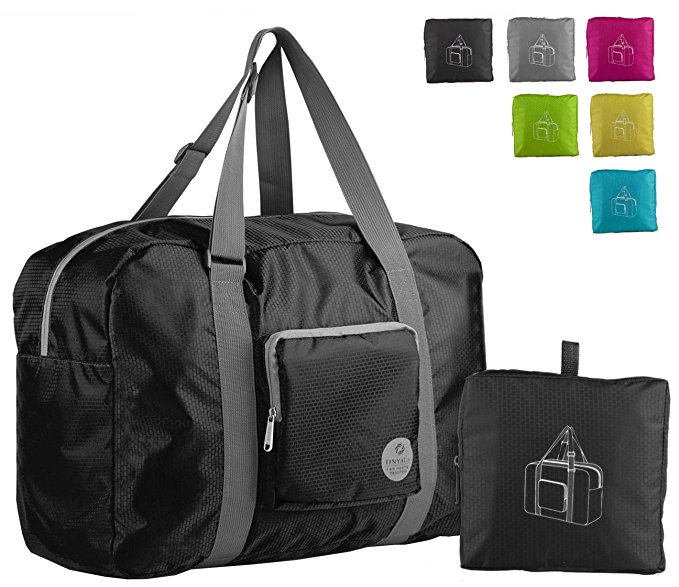
A packable duffel bag is not a replacement for every suitcase or carry-on. Its best job is much narrower: give you useful extra carrying capacity without taking up useful space on the way out. That can mean an empty bag in a checked suitcase for souvenirs, a light day bag for beach clothes, or a backup bag when a small carry-on turns out to be too optimistic.
For most travellers, we would bring the Eagle Creek Packable Duffel Bag. It is palm-sized when packed, opens to 30 litres, and weighs under five ounces. If you want a slightly more structured extra bag with a removable shoulder strap and external pockets, choose the Samsonite Foldaway Duffel. For a bag that will carry gear more regularly, not merely wait in a suitcase, the Osprey Ultralight Stuff Duffel 30 offers a padded shoulder strap and better everyday organization.
Those are three different approaches to the same problem. The right one is determined by what you expect to put in it, how far you will carry it, and whether it needs to survive only the ride home or become a useful bag at the destination.
Our picks at a glance
- Best packable duffel for most people: Eagle Creek Packable Duffel Bag. A 30-litre, under-five-ounce backup bag that packs into its own pocket.
- Best structured extra bag: Samsonite Foldaway Duffel. Heavier than the Eagle Creek, but with tougher fabric, several pockets, and an adjustable removable shoulder strap.
- Best for a destination day bag: Osprey Ultralight Stuff Duffel 30. A 30-litre duffel with a padded shoulder strap, zippered front pocket, stretch side pocket, and key clip.
- Best durable duffel when packability is secondary: Patagonia Black Hole Duffel 40L. More expensive and far bulkier packed, but designed for repeated gear hauling with a padded base and removable backpack straps.
Best packable duffel for most people: Eagle Creek Packable Duffel Bag
The Eagle Creek Packable Duffel Bag is the one we would put inside a suitcase and forget about until it earns its place. It opens to 30 litres, packs into its own pocket, weighs about 4.5 ounces, and uses 70-denier PU-coated recycled nylon. It is intentionally simple: a large zippered main compartment, an exterior stash pocket, a key clip, and multiple ways to carry it.
That combination is right for the most common use case. You fly out with a neatly packed carry-on or checked suitcase, buy more than expected, and need a separate bag for the return. Or you land at a beach town and want a bag for towels, groceries, laundry, and a light layer. A 30-litre bag is large enough to be helpful without tempting you to fill it with items you do not want to carry.
Its limits are just as important. This is an ultralight backup bag, not a rolling suitcase with no wheels. The thin material and minimal structure mean it is a poor choice for sharp hardware, delicate camera equipment, or a very heavy load carried across a city. Put soft clothes, shoes in a pouch, a jacket, or a few souvenirs inside. If you need to check it on a flight, protect the zipper pulls and do not expect a featherweight bag to enjoy baggage belts the way a full travel duffel would.
Choose the Eagle Creek when packed size and weight are the real priority. It has enough organization to be more useful than a disposable tote, but not so much that it becomes a second piece of luggage before the trip even starts.
Best structured extra bag: Samsonite Foldaway Duffel
The Samsonite Foldaway Duffel makes sense when your backup bag is likely to carry a little more weight or get used frequently at the destination. It folds into an integrated pouch but is made from 600-denier nylon-poly fabric with a polyurethane backing, not ultralight ripstop. Samsonite lists a large main opening, two slip pockets, one zip pocket, and an adjustable shoulder strap that can be removed.
In practice, that means you get a more conventional duffel experience. The bag has enough structure to feel less floppy when you are carrying a change of clothes, an extra pair of shoes, snacks, or a small collection of purchases. The pockets give keys, tickets, and a phone somewhere to go other than the bottom of the main compartment. The removable strap is particularly useful when your hands are already managing a suitcase handle and a boarding pass.
The cost of that structure is weight and packed bulk. At roughly 0.8 pounds, it is still very light for a travel bag, but it is no longer something you will forget is inside a small personal item. The stated dimensions are also a reminder to be careful with airline rules. An empty soft duffel may fit in an overhead bin or under a seat; an overfilled one may not. Do not treat a bag’s marketing phrase or an old online review as a promise of airline compliance. Check the carrier’s current personal-item and carry-on measurements for the specific flight.
This is the better pick for a person who wants one foldaway bag to handle groceries, a gym visit, beach equipment, or the occasional crowded travel day. If you only want an emergency return-flight bag, the Eagle Creek saves more space. If you want a bag for heavier equipment week after week, move to the Patagonia option below.
Best destination day bag: Osprey Ultralight Stuff Duffel 30
The Osprey Ultralight Stuff Duffel 30 is the choice for someone who expects the extra bag to be used during the trip, not merely after it. It has a 30-litre capacity, a zippered front pocket, a key clip, a stretch side pocket, and an adjustable shoulder strap with a pad. Osprey also uses recycled nylon fabrics and lists a PFAS-free durable water-repellent treatment.
The shoulder strap changes the use case. A tiny packable duffel is fine for a short walk from a hotel to the beach. When you are taking a train, walking through a market, or carrying a jacket, water bottle, and groceries for several blocks, a strap that spreads the load becomes meaningful. The stretch side pocket also has a practical advantage over an empty main compartment: it gives a water bottle or umbrella somewhere accessible to live.
It is still an ultralight bag. The 40-denier main fabric is chosen for low weight, not for hauling heavy, awkward objects every weekend. Think clothes, light food, layers, and soft travel gear. If you routinely carry climbing hardware, wet dive gear, or a large camera setup, buy a purpose-built gear hauler instead of demanding that a packable nylon bag become one.
Choose the Osprey when you want the bag to stay useful after arrival. It is less about bringing home souvenirs and more about avoiding the need to buy a disposable tote at every destination.
Best durable duffel when packability is secondary: Patagonia Black Hole Duffel 40L
The Patagonia Black Hole Duffel 40L belongs in this guide because many people use “packable” to mean “not a hard suitcase.” It does stuff into its own pocket, but it is not a tiny spare bag. It is a real 40-litre gear duffel with a padded base, weather- and abrasion-resistant recycled polyester ripstop with a TPU laminate, interior mesh pockets, reinforced haul handles, and removable shoulder straps that can be used backpack-style.
That construction earns its place on a different kind of trip: camping, sports, road travel, a multi-stop itinerary with rougher handling, or any situation in which the bag will carry meaningful weight again and again. The padded base protects contents better than a simple stuff sack, and the backpack straps are valuable when you have to move a full bag through a station or over uneven ground.
It is also much heavier and more expensive than the true packable options. Bring it because you need a durable 40-litre duffel that can compact for storage between uses, not because you want a just-in-case bag inside a small suitcase. Airline size limits vary too much to call any 40-litre duffel universally carry-on compliant. Measure the packed bag and check the exact airline before you assume it will stay in the cabin.
If the Eagle Creek is a travel insurance policy, the Black Hole is an actual piece of luggage. That distinction keeps this recommendation honest.
Choose the bag based on the job it will do
The quickest way to choose is to picture the moment you will open the bag.
- For souvenirs, laundry, or an overflow return trip: choose the Eagle Creek. It adds capacity with almost no penalty on the outbound journey.
- For a flexible bag used on several days of a trip: choose the Samsonite or Osprey. Pockets and a better shoulder strap make a difference once the bag leaves the hotel room.
- For a beach, market, or train day: choose the Osprey. Its external pocket, key clip, and padded shoulder strap make it easiest to live with while moving around.
- For repeated equipment hauling: choose the Patagonia. It is designed for a much more demanding role than a palm-sized spare bag.
- For a flight home with a fragile purchase: use a more protective bag or pack the item into your original luggage. A foldable duffel does not add structure or crush protection.
It is tempting to buy the biggest capacity available. That often produces a bag you fill simply because it exists, then regret when you need to carry it. A 30-litre extra bag is usually enough for clothes, light purchases, or a day out. Move to 40 litres only when you have a real need for the volume and a plan for the airline rules and the weight.
Capacity, carry comfort, and structure
Litres are useful for comparing bags, but they do not tell the whole story. Two 30-litre duffels can feel completely different when full. A wide, shallow bag can be easier to find things in but awkward to carry on one shoulder. A long, narrow bag may fit a particular packing cube or sports item better. An unstructured nylon bag takes the shape of its contents, which is great when it is half full and less pleasant when it contains bulky shoes and a few hard objects.
Look at the carry options before you look at colour. Short handles are fine for lifting the bag into a car. A padded shoulder strap matters when you will walk more than a few minutes. Backpack straps become worthwhile only when the bag is both heavy and designed to sit comfortably against the body. A thin, unpadded strap is not a character flaw in a five-ounce emergency duffel; it is a signal not to overload it.
Structure is also why a packable duffel does not replace packing cubes. Use cubes or simple pouches inside a light duffel when you want clothes to stay organized. A small toiletry bag, a shoe bag, and a pouch for cables keep the main compartment from becoming a pile. Our travel power checklist is a useful companion: keep chargers and power banks in a pouch you can move between bags rather than loose alongside clothing.
Airline rules: check the actual bag once it is packed
Soft bags create a false sense of security. They can squeeze into an overhead bin, but that does not mean they meet the airline’s published carry-on or personal-item limits. A bag that measures acceptably when empty can become larger when it is packed with puffy jackets or irregular souvenirs. Airlines also differ by route, fare class, and whether a smaller regional aircraft is substituted.
Use the airline’s current website as the deciding source for the flight you are taking. Measure your fully packed bag, including bulging pockets and handles. If the bag is your emergency extra piece, have a plan for how you will use it if cabin space runs out. This matters especially when it contains a power bank: power banks must remain in the cabin, so take them out if an agent gate-checks the bag.
The safest use of a packable duffel is often as a personal-item companion after you have checked your main bag. It can hold the jacket, snacks, book, and small soft items that would otherwise make a carry-on awkward. Do not build your trip around the idea that every airline employee will view a soft bag generously.
How to pack a foldable duffel so it is pleasant to carry
Start with the heaviest soft items near the bottom and the centre of the bag. Clothes, a folded jacket, or a towel make a stable base. Put shoes in a bag and place them along one side so they do not rub against fragile items. Keep one small pouch of essentials near the top: medication, a cable pouch, documents, or a reusable shopping bag.
Avoid filling every inch. A duffel with a little room is easier to zip, less likely to strain the seam, and more likely to fit under a seat or in an overhead bin. If you need to carry a bottle, use an exterior pocket only when it is secure; a large bottle can pull a thin bag off balance. With an unstructured bag, the shoulder strap position has as much to do with comfort as the weight.
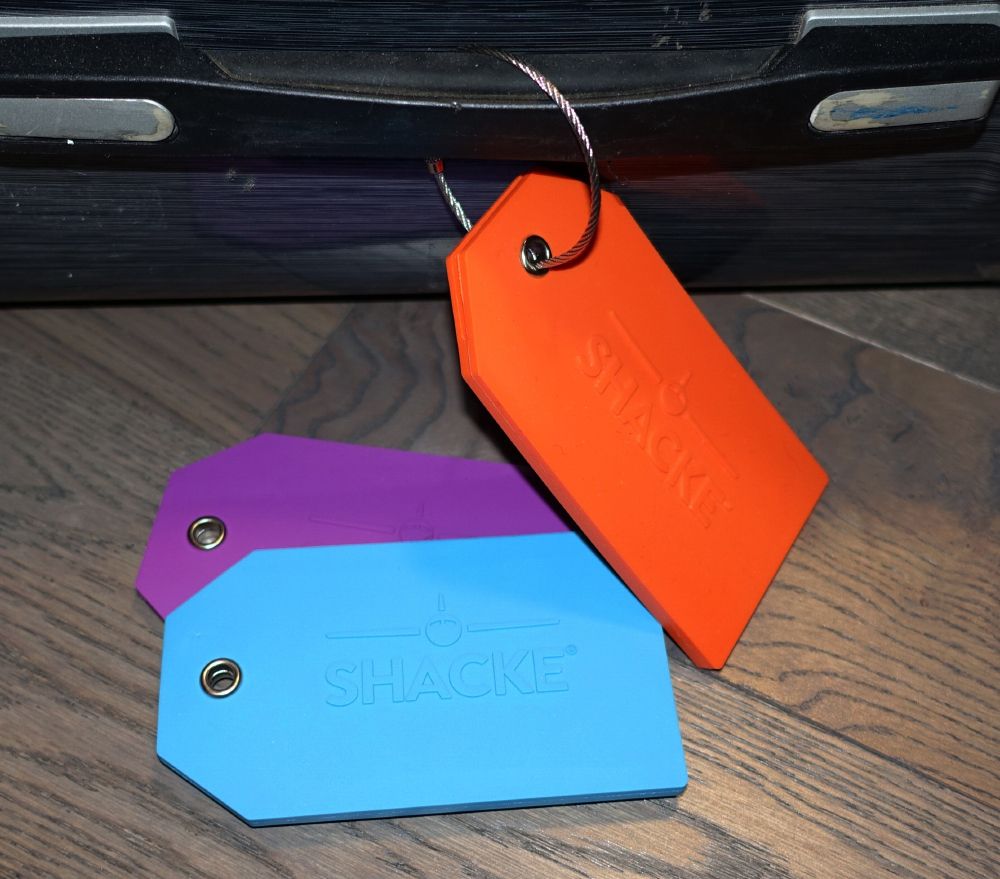
For a return trip, leave the folded duffel at the top of the suitcase on the outbound leg. When you need it, you will not have to dismantle a carefully packed bag to find it. Put a luggage tag or a card with limited contact details on the extra bag before you leave home. Our luggage-tag guide explains how to make a bag identifiable without displaying more personal information than necessary.
What a packable duffel should not carry
A light duffel is not a protective case. Avoid putting laptop computers, cameras, glass bottles, sharp tools, or irreplaceable documents inside unless they are already protected and you can keep the bag with you. The fabric may resist a splash, but water-resistant is not waterproof, and a zipper opening is not a dry bag seal.
Do not use a tiny packable duffel for items with awkward concentrated weight. A heavy dumbbell, a collection of canned food, or metal hardware can stress seams and make the bag painful to carry even when the stated capacity seems generous. The bag’s usefulness is defined as much by distribution and material as by volume.
Finally, do not check a featherweight duffel full of valuable items simply because it is cheaper than an extra suitcase. Baggage handling is hard on soft bags, and a flexible bag leaves little protection between your contents and a conveyor belt. Use it for durable clothing and soft goods, or keep it in the cabin when airline rules allow.
How we chose
We assessed packability, usable volume, carry options, fabric, pockets, and the job each bag is designed to do. We deliberately did not choose a single bag for every trip. An ultralight 30-litre backup bag is excellent at disappearing into a suitcase; it is not a fair substitute for a padded gear hauler. A durable 40-litre duffel can absorb more abuse, but it is not a sensible answer when packed size is the priority.
We also considered the details that matter after the first trip: whether the bag packs into itself, whether the main opening is easy to use, whether small items have a secure home, whether the shoulder strap helps when the bag is full, and whether the materials make sense for the expected load. Availability and colours change often, so use the Amazon links as a current product check rather than relying on a temporary price.
Packable travel duffel questions, answered
What size packable duffel is best for travel?
Thirty litres is a useful middle ground for most people. It is large enough for a day bag, laundry, or souvenirs and small enough to avoid becoming a second suitcase. Choose 40 litres or more only when you know you need the room and can comfortably carry the weight.
Can I use a packable duffel as a carry-on?
Sometimes, but do not assume it qualifies. Airline limits depend on the carrier, route, fare, and the bag’s actual packed dimensions. Check the specific airline before travel and measure the bag when it is full.
Are packable duffels good for checked baggage?
They are fine for soft clothing and durable items, but they are not ideal for valuables, fragile items, or anything needing structure. A lightweight bag should be protected from snagging, and you should confirm any airline size and weight rules before checking it.
Is a duffel or a packable backpack better?
A backpack is better when you will walk far or need your hands free. A duffel is simpler for a car, hotel, beach, gym, or overflow luggage role. Pick based on how you will carry it after you arrive, not only on how small it folds.
Can I pack a power bank in an extra duffel?
Yes, but it must stay in the cabin on flights, not in checked baggage. Keep it in a small pouch so it is easy to remove if the airline gate-checks the duffel.