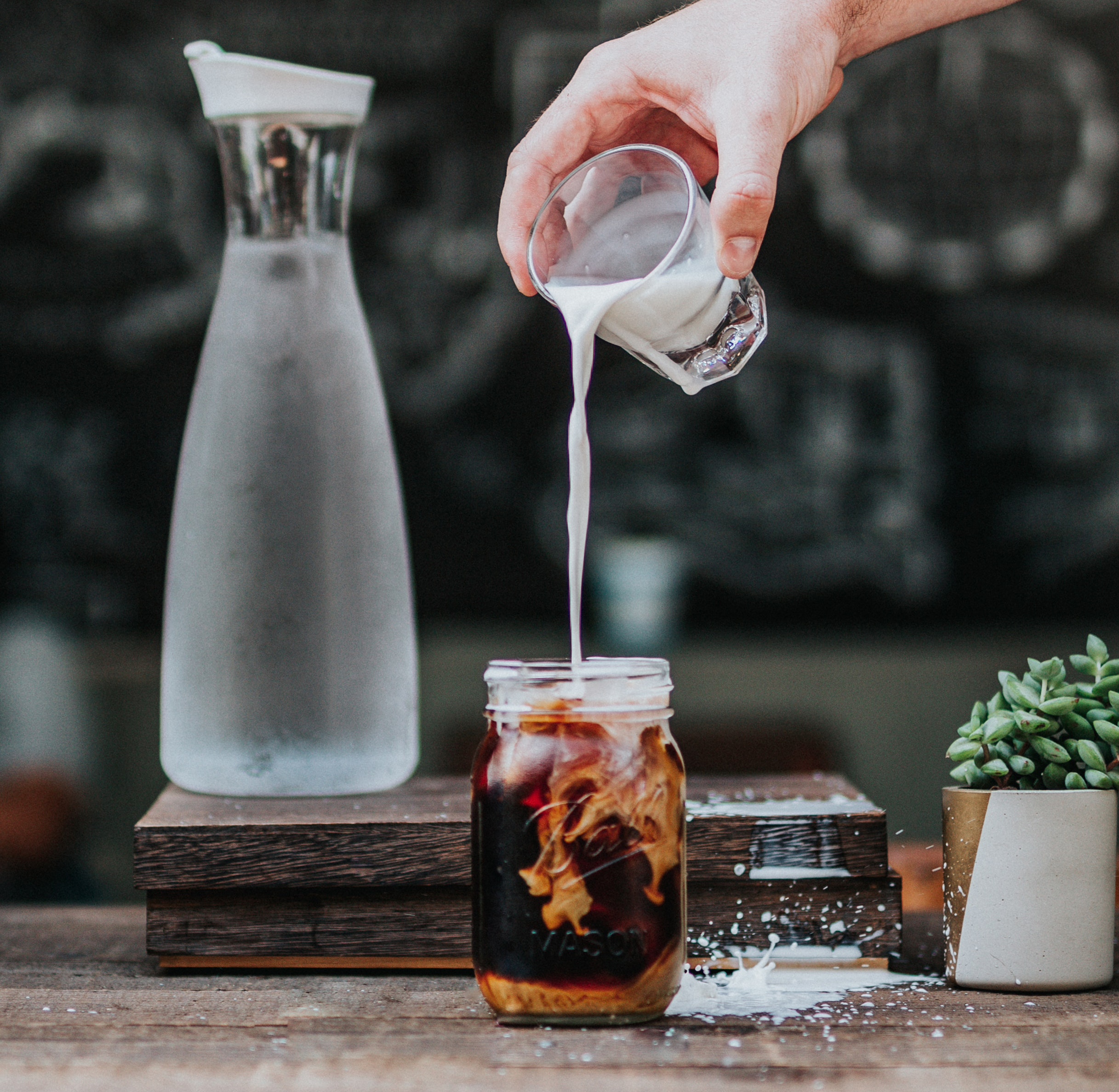
Cold brew is not simply hot coffee poured over ice. It is coffee steeped slowly in cool or room-temperature water, then filtered and chilled. That process gives you a different kind of control: you can make a ready-to-drink pitcher for a few mornings, or a stronger concentrate to dilute with water or milk. The best cold-brew coffee maker is the one whose batch size, filter, and cleanup routine match how much coffee you actually drink.
We built this guide from current manufacturer specifications, brewing manuals, component designs, capacity, and cleaning requirements. We have not claimed taste-panel testing. Coffee preference is personal, and beans, grind, water, time, temperature, and dilution all change the cup. These picks are distinct tools for distinct routines rather than a claim that one brewer makes every style of coffee best.
Our picks at a glance
Best simple pitcher: Hario Mizudashi Cold Brew Coffee Maker. The affordable, low-fuss choice for a household that wants ready-to-drink coffee from a glass pitcher. It has a fine mesh basket inside the brewing vessel and comes in 600 mL and 1,000 mL sizes. Check Hario Mizudashi options on Amazon.
Best compact countertop system: OXO Brew Compact Cold Brew Coffee Maker. Choose this when you want a neat, purpose-built concentrate maker that stores well. It has a 24-ounce brewing container, a rainmaker lid, a reusable stainless-steel mesh filter, and a borosilicate glass carafe. Check OXO Compact Cold Brew options on Amazon.
Best for larger concentrate batches: Toddy Home Cold Brew System. This is for the person who makes cold brew for more than one person or wants a concentrate routine rather than a small ready-to-drink pitcher. Toddy’s home instructions say a batch made with 12 ounces of coffee produces about 45 fluid ounces of concentrate. Check Toddy Home options on Amazon.
Choose between ready-to-drink coffee and concentrate
This is the decision that prevents the most buyer’s remorse. A pitcher-style brewer makes coffee that is close to ready to pour over ice. It is simple, compact, and easy to understand. The downside is that it occupies refrigerator space during the entire brew, and it is less flexible if you like to make lattes, larger iced drinks, or coffee for several people.
A concentrate system makes a stronger liquid that you dilute to taste. It takes more planning, more coffee grounds, and usually more cleanup, but it is versatile. You can make a strong small glass, a milky drink, a full travel tumbler, or a hot cup with water without brewing every day. Concentrate is also a good fit when different people in the household prefer different strengths.
Neither approach is inherently better. If you drink one iced coffee most mornings and want minimal fuss, a Hario-style pitcher is the smarter purchase. If you routinely make coffee for two or three people, a concentrate system becomes less wasteful and more convenient. Buy the workflow, not the marketing language.
Why the Hario Mizudashi is the best simple pitcher
The Hario Mizudashi is the right pick for someone who wants cold brew without another countertop contraption. Add ground coffee to the removable fine-mesh basket, add water, steep, remove the basket, and store the same pitcher in the refrigerator. Hario offers it in 600 mL and 1,000 mL versions, so you can choose a smaller batch for one person or a fuller pitcher for a household.
The design is appealing because almost nothing is hidden. The pot is heatproof borosilicate glass, while the lid, strainer frame, and handle band are polypropylene. The mesh is polyester resin and the sealing components are silicone. That simple split between glass vessel and removable basket makes cleanup straightforward: discard the grounds, rinse the basket well, and wash the pitcher as directed. There is no valve to maintain, no paper filter requirement, and no separate carafe to lose.
This is a ready-to-drink brewer, not the strongest concentrate system in the guide. It is ideal when you like a lighter, more direct routine: make a batch in the evening, strain it the next day, and pour from the fridge. Hario recommends a coarser grind for a lighter, more delicate result and a finer grind for more body and strength. Use that as a starting point, not a strict rule. Very fine grounds can clog a mesh filter or leave sediment, so adjust gradually rather than jumping to espresso-fine coffee.
Choose the Mizudashi if fridge-door storage, simple cleanup, and low cost matter most. Skip it if you want a dense concentrate for mixed drinks, have a busy household, or strongly dislike cleaning a mesh basket. The OXO Compact gives you a more controlled filtration process, and the Toddy is a more capable larger-batch concentrate system.
Why the OXO Compact is our best small-space system
The OXO Brew Compact Cold Brew Coffee Maker is for someone who wants concentration brewing without giving up a large part of the counter or fridge. OXO specifies a 24-ounce brewing container and says it can make up to a week’s worth of concentrate, depending on how you dilute and drink it. The brewer and its borosilicate glass carafe nest together for storage, which is valuable in a small kitchen.
Its useful feature is the rainmaker top: water passes through a perforated lid designed to distribute it over the grounds rather than creating one saturated channel in the middle. After a 12-to-24-hour brew on the counter or in the refrigerator, you place the brewer on the glass carafe to drain. The ultra-fine reusable stainless-steel mesh filter is intended to keep grounds out of the finished coffee, and the carafe’s cork stopper uses a silicone seal.
The OXO is a better choice than a jar-and-strainer arrangement when you care about a contained, repeatable process. You do not have to balance a separate funnel or improvise the filter step over a sink. It also makes a better gift for someone who enjoys coffee but does not necessarily want to learn a manual brewing routine. The parts have distinct jobs, and the nesting design makes the system less annoying to own when it is not brewing.
Its limitations are the other side of the same design. It is more expensive than a Hario pitcher, makes a smaller batch than a full-size concentrate system, and has several components to rinse. Buy it if its contained filter-and-carafe workflow appeals to you. Do not buy it if you only make one small glass at a time; a simple pitcher or even a covered jar plus a reliable filter method may be enough.
Why the Toddy Home system is best for larger batches
The Toddy Home Cold Brew System is the pick for a repeat cold-brew habit, not an occasional experiment. It is built around brewing a large bed of coffee and draining the finished concentrate into a separate glass decanter. Toddy’s home instructions say that using 12 ounces of coffee produces approximately 45 fluid ounces, or 1.3 liters, of concentrate. That scale makes sense for a couple, a busy family, or anyone who prefers to prep several days of coffee at once.
The system relies on a reusable felt filter, with optional paper filter bags available. That filter approach is part of the value proposition and part of the maintenance burden. Toddy says its felt filter can be used up to 10 times and should be discarded after three months. You should track that rather than guessing: an old, stained, or slow-draining filter can make the process frustrating and affect the taste of future batches. Paper bags simplify grounds disposal and can help prevent clogs, but they create an ongoing supply cost.
This is the model to choose when you prefer concentrate and do not mind a more deliberate brew-and-drain setup. Coarse grounds are especially important; Toddy’s instructions note that fine grounds can clog the filter and prevent complete drainage. Pour water gently, avoid aggressively stirring the bed after steeping, and work on a stable surface while the system drains. The larger yield is useful, but it also means the consequences of a careless grind or unwashed component are multiplied.
Skip the Toddy if you live alone, have a very small refrigerator, or want something you can wash in sixty seconds after breakfast. Its payoff is volume and concentrate flexibility. For a small home routine, the OXO Compact is easier to store; for a straightforward ready-to-pour brew, the Hario is more direct.
Coffee, water, grind, and time: the variables that matter
A good cold brew starts with coffee you would enjoy drinking hot. Cold extraction can make different notes stand out, but it cannot rescue stale or unpleasant beans. Start with a medium or medium-dark roast if you prefer a classic chocolatey, nutty iced coffee. Try a lighter roast if you enjoy brighter fruit and floral notes, knowing that the result may need more careful dilution. Buy whole beans when practical and grind shortly before brewing for more control.
Use a coarse to medium-coarse grind as your first experiment. Coarse grounds tend to filter more cleanly and are less likely to create sludge. If the coffee tastes weak, do not immediately make the grind much finer; try using a little more coffee, steeping longer within the maker’s guidance, or adjusting how you dilute it. If the coffee tastes rough or the filter drains slowly, move coarser. Change one variable at a time so you learn what actually helped.
Water matters because the finished drink is mostly water. If your tap water tastes strongly chlorinated or mineral-heavy in a plain glass, it will show up in coffee. Use clean, pleasant-tasting filtered water if that improves your normal drinking water. Cold brew is forgiving, but it is not immune to a poor starting ingredient.
Time should be treated as a range, not a superstition. The OXO Compact states 12 to 24 hours. Begin near the middle of a maker’s suggested window, make notes, and adjust the next batch. Longer is not always better; it can lead to a heavier or less balanced result for your beans and recipe. If you brew in the refrigerator rather than on the counter, the process can feel slower, so follow the product’s guidance and keep your routine consistent while dialing it in.
How to use concentrate without making every glass a guessing game
Concentrate is not intended to be judged only straight from the bottle. Start with a modest portion over ice, then add water, milk, oat milk, or another preferred mixer gradually. Write down the ratio you like once you find it. That small note saves coffee and makes weekday mornings faster.
If you want a stronger drink, increase the concentrate before increasing the ice. If you want something smoother and lighter, dilute with cold water first, then add milk or sweetener if desired. For a hot coffee, warm the diluting water separately and mix it with concentrate in a heat-safe mug. Do not microwave a glass carafe unless its manufacturer explicitly says that exact piece is microwave safe.
Make your first batch smaller than the brewer’s maximum until you understand your preferred strength. A large system is efficient only when you like the coffee it produces. Once you have a recipe that works, scaling up is easy; throwing away an oversized first attempt is not.
Cleanup and food-safety habits that keep the routine pleasant
Cold brew rewards cleaning discipline. Coffee oils cling to mesh filters, felt filters, lids, stoppers, and carafes. Rinse the grounds out promptly, wash every part according to the manufacturer’s instructions, and let pieces dry fully before storing them. A clean filter is not just a hygiene issue; it prevents old coffee aroma from creeping into a fresh batch.
Use clean equipment and refrigerate the finished coffee promptly in a closed container. Do not leave a finished batch on the counter because you forgot to decant it. Follow the current maker guidance for storage and discard anything with an off smell, visible residue you cannot identify, or an unusually stale taste. The convenience of batch brewing disappears if you have to wonder whether a neglected container is still worth drinking.
Mesh filters deserve special attention. Rinse from both sides, use a soft brush if grounds are trapped, and avoid tools that damage the mesh. Felt filters need their own replacement schedule, while paper filters should be discarded after each use. The right system is the one whose cleanup you will actually do well. A complicated brewer that stays greasy in the sink is a worse purchase than a simple pitcher that gets washed every week.
Price and capacity: where it makes sense to spend
Budget pitcher: The Hario Mizudashi is where most people should start. It provides a complete cold-brew workflow in one vessel with a removable basket. Spend here if you are unsure how often you will make cold brew or mainly want ready-to-drink coffee.
Compact system: The OXO Compact costs more because it separates brewing, filtration, and storage more deliberately. Choose it when the countertop-and-carafe workflow and nesting storage will genuinely make you brew more often.
Larger concentrate setup: The Toddy makes sense when volume and dilution flexibility are more important than a quick rinse. Remember to budget for filter maintenance; the initial brewer price is not the only ownership cost.
What you do not need: You do not need an electric cold-brew machine for good results. Cold brew is a low-energy, time-based process. Spend your budget on fresh coffee, a grinder that produces a consistent coarse grind, and a brewer that is easy to clean.
Common mistakes—and easy fixes
Muddy coffee: Use a coarser grind, rinse the filter more thoroughly, and avoid squeezing grounds through the filter. Fine particles are the usual culprit.
Weak coffee: Check whether you brewed a ready-to-drink recipe but expected concentrate. Adjust the coffee-to-water amount on the next batch, brew within the maker’s recommended time range, and dilute more cautiously.
Bitter or unpleasantly heavy coffee: Shorten the steep next time, choose a coarser grind, or try a different roast. Do not assume more hours will improve a batch.
Slow or stuck draining: The grounds are likely too fine or the filter is clogged. Do not force a drain on an unstable counter. Follow the manufacturer’s filter-care instructions and use coarse grounds for the next batch.
Frequently asked questions
Do I need a special cold-brew coffee maker?
No, but a purpose-built maker makes filtration, storage, and cleanup more repeatable. A Hario-style pitcher is the simplest dedicated option. An OXO or Toddy system is worthwhile when you want concentrate and a more defined workflow.
What grind should I use for cold brew?
Begin with a coarse to medium-coarse grind. It filters more cleanly and is less likely to clog a mesh or felt filter. Adjust one variable at a time if you want a stronger or lighter result.
Can I make cold brew with pre-ground coffee?
Yes, provided it is not extremely fine. A bag labeled for a drip machine may work, but a coarser grind is usually easier to filter. Freshly ground beans give you more control, which is why a good grinder becomes valuable when cold brew is a regular habit.
How long should cold brew steep?
Follow the maker’s current instructions. The OXO Compact specifies a 12-to-24-hour range. Begin in the middle, taste the diluted coffee, and adjust the next batch rather than treating a single number as universal.
Is cold brew the same as iced coffee?
No. Iced coffee is typically hot-brewed coffee cooled over ice. Cold brew is extracted without hot water over a much longer period. Both can be excellent; choose based on the flavor and routine you prefer.
The bottom line
Buy the Hario Mizudashi if you want the easiest, most affordable way to make a ready-to-drink cold-brew pitcher. Choose the OXO Brew Compact when you want a tidy small-space concentrate system with controlled drainage and easy storage. Choose the Toddy Home system when you make enough coffee to justify a larger concentrate batch and can stay on top of its filter care. The best cold-brew maker is not the largest one; it is the one that matches your fridge, your cleanup tolerance, and the amount of coffee you actually drink.
For the rest of your coffee setup, see our guides to coffee grinders, affordable coffee makers, and USB-C cables for a practical kitchen charging setup.